For reviewers, podcasters, journalists, book clubs, and educators
Media &
book-club resources
Book details, author bios, discussion topics, downloadable images, and direct contact information.
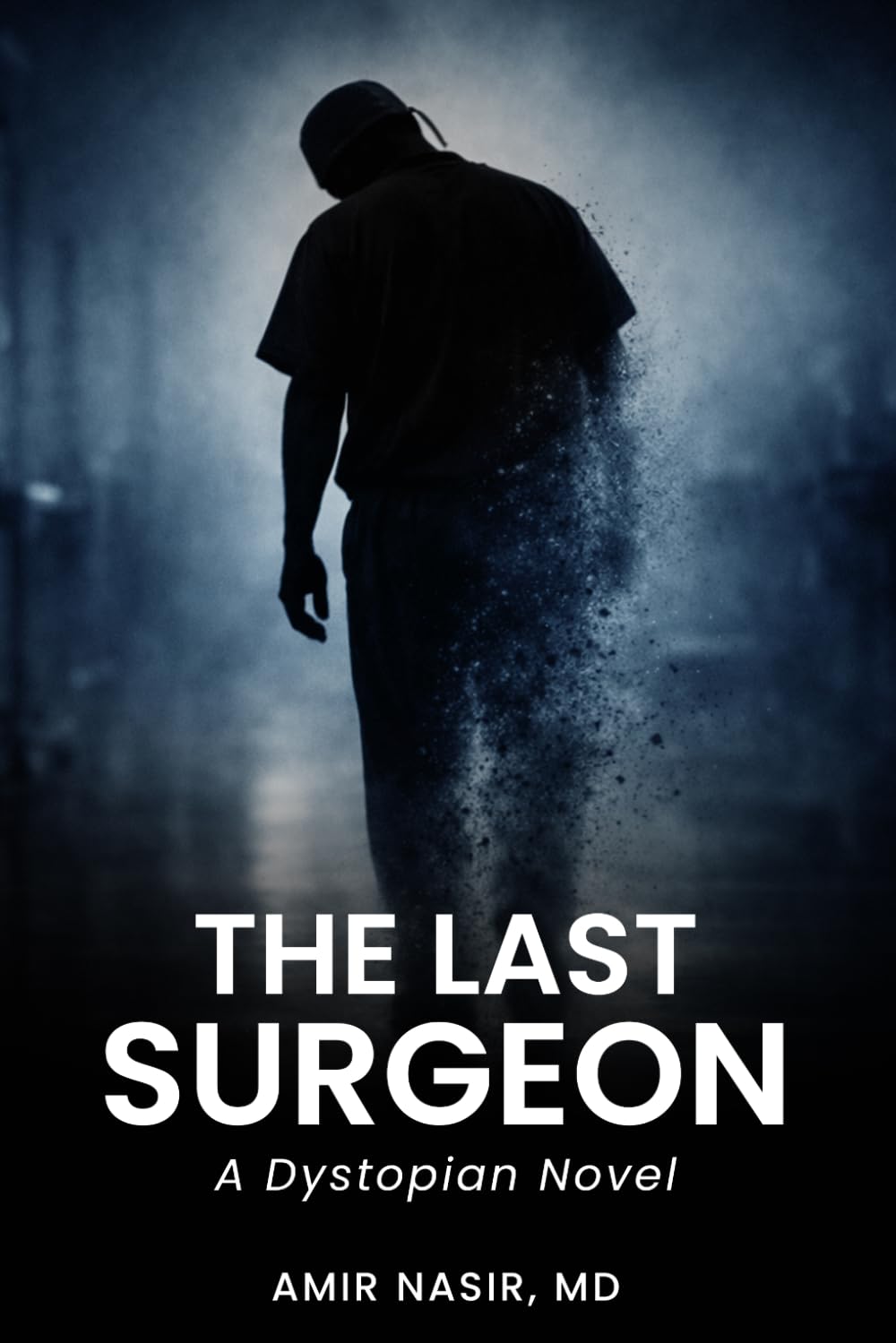
Book details
- Title
- The Last Surgeon: A Dystopian Novel
- Author
- Amir Nasir, MD
- Genre
- Dystopian / medical science fiction
- Length
- 150 pages
- Publication
- March 2026
- ISBN
- 979-8-2529-9044-6
- Formats
- Paperback and Kindle
Short synopsis
The hospital works better. David’s life’s work matters less.
Dr. David Halpern has spent decades mastering surgery. As artificial intelligence and autonomous medical systems transform his hospital, waits shrink, costs fall, and complications become less common. But David must confront a future in which surgery performed by a person has become the riskier choice—and decide what remains of a life built around work the world no longer needs.
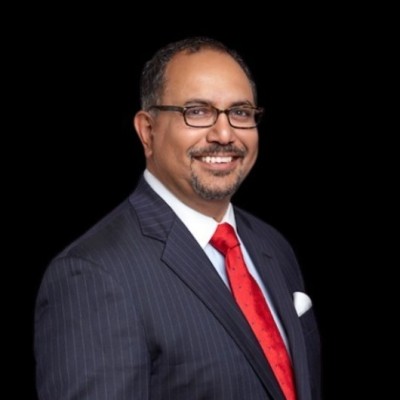
About the author
Amir Nasir, MD
Short bio
Amir Nasir, MD is a board-certified plastic and reconstructive surgeon, former optical engineer, returned Peace Corps volunteer, and healthcare AI consultant. The Last Surgeon is his first novel.
Extended bio
Amir Nasir, MD, MPH is a board-certified, fellowship-trained plastic and reconstructive surgeon whose work spans medicine, optical engineering, public health, and artificial intelligence. His experience includes healthcare AI consulting and the development of healthcare and field-service technology ventures. Drawing on years in operating rooms and technology development, he writes about progress, professional identity, and the future of human work.
For educators and students
A short novel for serious classroom discussion.
The Last Surgeon can support upper-level high school and college conversations in literature, ethics, health sciences, and technology courses. Its near-future setting gives students a concrete way to examine who benefits from automation, who is displaced, and whether better outcomes settle every moral question. By testing automation against a profession built on knowledge, dexterity, judgment, adaptability, and compassion, the novel also asks what work can truly be considered safe. Educators should review the book for suitability for their own students.
Classroom themes
- Artificial intelligence, ethics, and responsibility
- Surgery as a stress test for every supposedly automation-proof profession
- Automation and the future of human work
- Professional identity, purpose, and mental health
- Human judgment versus measurable outcomes
- Healthcare access, cost, risk, and informed choice
- Dystopian fiction as a way to examine emerging technology
Interview topics
Useful starting points
- What happens if healthcare AI succeeds rather than fails?
- If surgery can be automated, what work is actually safe?
- How automation changes professional identity and purpose
- Why a practicing surgeon wrote a dystopian novel
- Human judgment, machine outcomes, and the definition of risk
- The future of surgery—and of meaningful work
Book-club questions
Questions for discussion
- Is something important lost when a system delivers better outcomes with fewer people?
- At what point does preserving human work become nostalgia rather than necessity?
- Would you choose a human surgeon if an autonomous system had demonstrably better results?
- Which parts of David’s identity exist independently of his profession?
- Who bears responsibility for the human consequences of successful automation?
- Did the novel make you more hopeful or more uneasy about medical AI—and why?
Press images
For editorial and event use
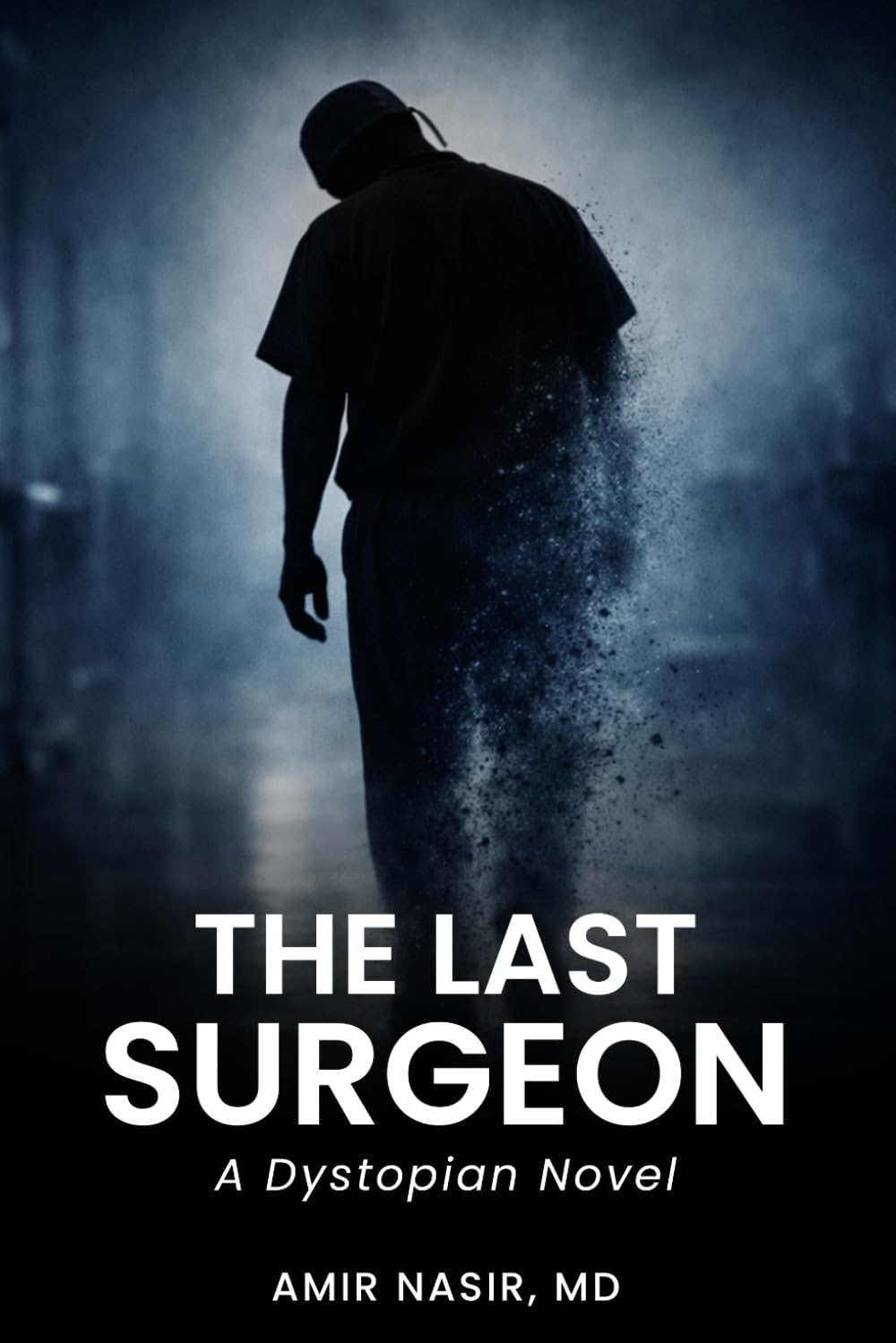
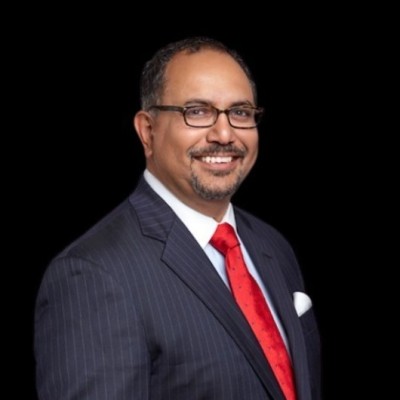
The author photo is provided so reviewers, interviewers, event hosts, and educators have an approved image to use when featuring the book or author.
Review copies & appearances
Contact the author.
For review copies, interviews, podcasts, classroom discussions, or book-club appearances:
Contact the Author